

What about our anger…
So many of us feel so guilty about our anger – the times we feel we shouted, maybe even screamed and said things we regret, created real rupture. There was much discussion about this when some of us met in London in September. Like many things it somehow felt so much more digestible knowing that we were not alone and that this was a common experience amongst us. What we know as parents is that getting frustrated, impatient and stressed with our children is a pretty universal experience; we are human after all. Bringing up and loving children who are neurodiverse and/or struggle with their mental well-being has often been compared to inducing stress levels akin to soldiers in combat. Why? Because it is a daily, ongoing challenge that reaches into the deepest corners of all our capacity for understanding, tolerance, understanding, patience and taps, more like hammers, into our fear and worry for them and their future. We are not concerning ourselves with which school they may get into next, what results they may achieve, if they are smoking cigarettes with their friends – we are worrying about their ability to find peace in life, the fabric of their mental health, sometimes feeling that we are struggling to keep them alive. When we see behaviours that trigger all these fears, our feelings of desperation, helplessness and fear, can press the anger response. We are cornered, trapped and we explode, retaliate. It’s what all sentient species have been doing for millenia – fight or flight. We are in our highest form of threat. Something is threatening our young. We will fight to the end. So, is it ideal that we shout or lose it or say things we don’t mean – no – but is it normal, is it a very understandable response to the given threat – yes. And is it recoverable? Absolutely yes. That’s where our recovery comes in. We can take responsibility, once we have regained our perspective, our calm, we can apologise and explain. Explain that we are frightened, we don’t know what to do, we love them even when we don’t like the behaviours and we find them so challenging. We are just people too and we make mistakes, all the time. We give them permission to be human too and trip up, but know that they can lift themselves back up and put one foot again in front of another.
We can ask ourselves, what do we do to help regulate and soothe ourselves when have been angry or when we feel anger rising?
… and we have to remember to be kind to ourselves; we are doing our best. Day after day. This isn’t a job we can resign from. When we can forgive ourselves, we can gently learn to forgive our children too.

Next In-Person Meet up, London
There will be a chance to meet again for those who would like to in London on NOVEMBER 20TH at 10.30 at Carluccio’s, South Kensington. We have decided we will offer this every other month and hope that you will put this in the diary if you are able to. It makes such a difference to see each other in person and is often a time full of not only shared experience, but also laughter, camaraderie and good connection.

Online Meeting for those families who have experienced or are experiencing psychosis
Monday 3rd November @ 6.30pm on Zoom
This will be a chance to get together to share insights, experiences and possibly avenues of support amongst those families whose children have suffered from psychosis
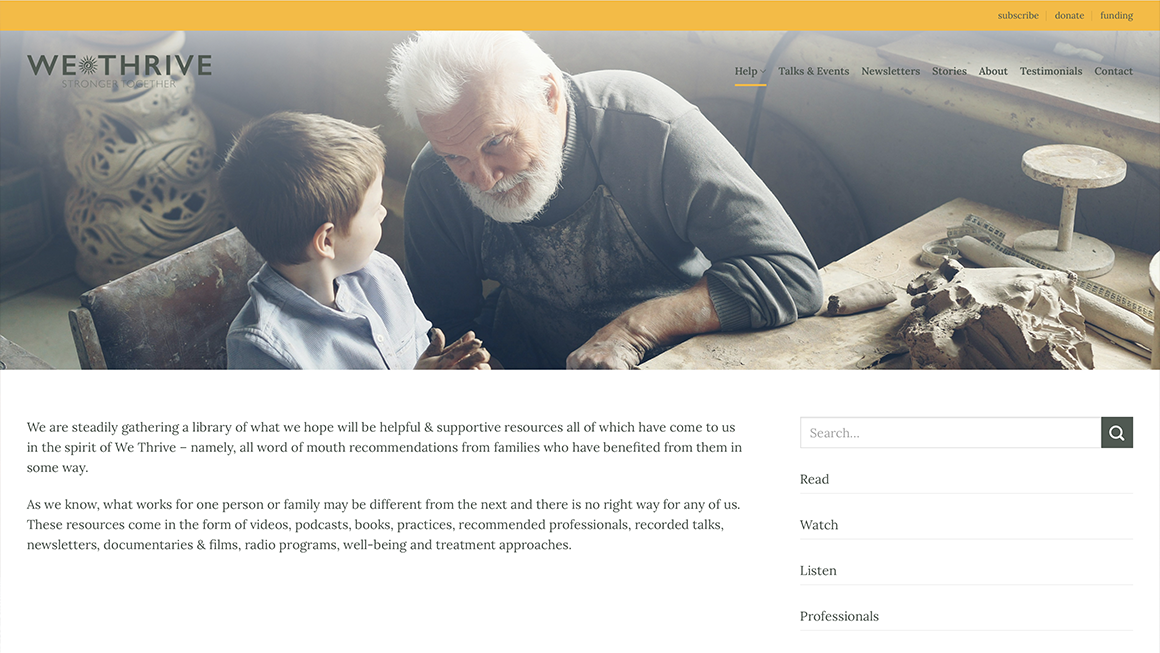
New updated website!
With HUGE THANKS to Sue, a mother within the We Thrive community, we have an updated website which has a fresher, lighter feel as well as being clearer and easy to navigate. We are so very grateful to Sue for all her skill and expertise and incredible generosity in giving this to We Thrive freely.
Please take a look at the new site, www.we-thrive.org.uk, and come back to us if you have any suggestions or feedback!
To Watch:
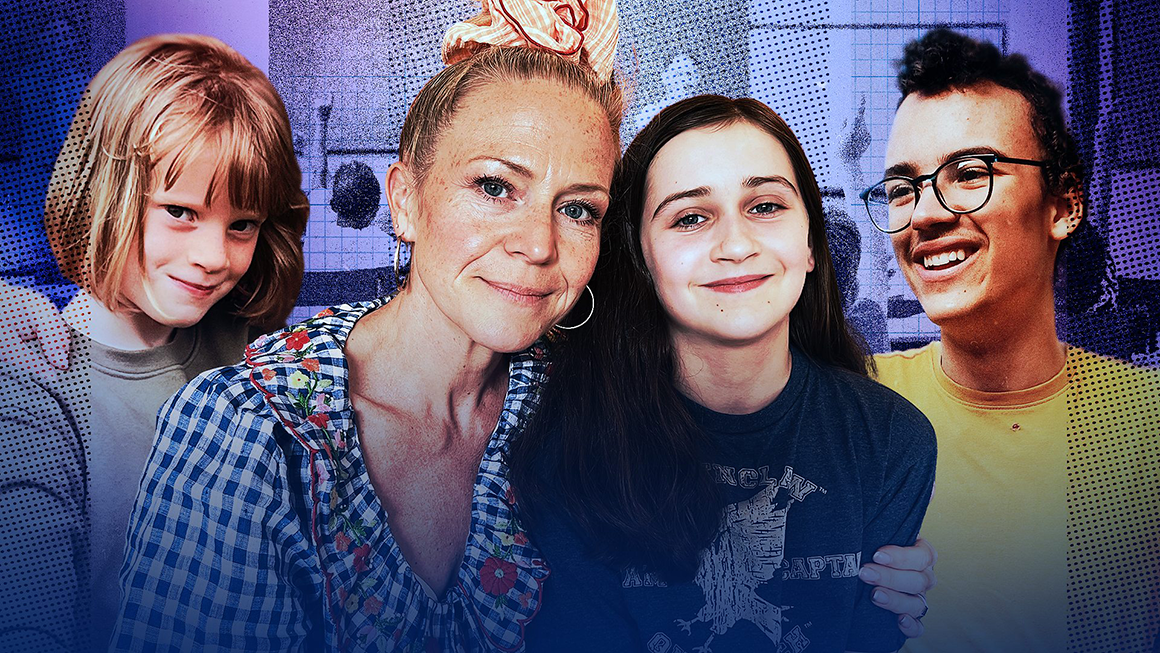
For all those living in the UK, this Panorama episode, ‘Kellie Bright – Autism, school and families on the edge’ may be insightful.
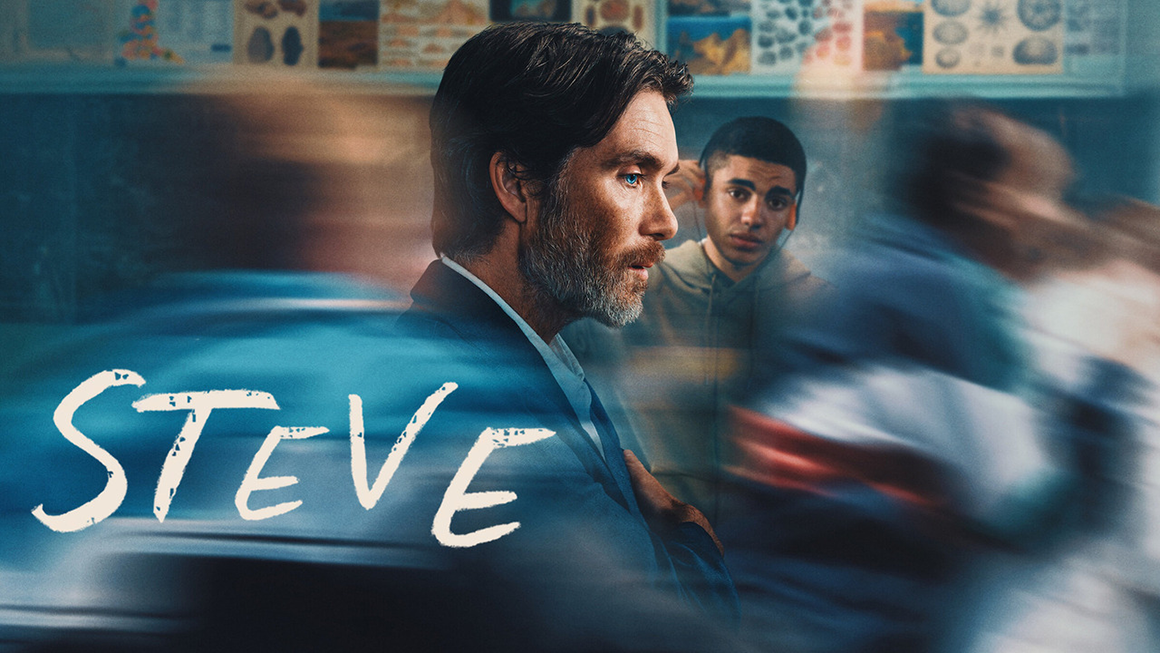
The new Cillian Murphy film ‘Steve’ is also out on Netflix.
The film follows head teacher Steve battling for his reform college’s survival while managing his mental health. Concurrently, troubled student Shy navigates his violent tendencies and fragility, torn between his past and his future prospects.
‘This film’s approach to men’s mental health is what makes Steve feel so ahead of its time, which is ironic considering the present-day relevance of the movement. Tim Mielant has carved out a new approach to depicting men’s mental health by refusing to prioritise the viewer’s comfort over the portrayal of lived, stress-inducing experiences. The film digs deep into layers of men’s mental health, uncovering some of its triggers and many of its consequences on those suffering. It was refreshing, also, to watch a film that shoulders the responsibility of delivering raw stories and vulnerable voices. Cillian Murphy, in an interview with Variety Events, emphasised that ‘[the film] should be asking questions, not answering them’.
Review from The Gryphon (www.thegryphon.co.uk)

Please can you help us:
In order to continue to make We Thrive the community that it is and broaden its reach to families, please could you consider:
Writing your story for the Stories page: a maximum of 500 words, totally anonymous of course, and it can be an updated story of one you perhaps wrote some time ago, to show where you are now as a family (these are so important). Story-telling is one of the most powerful ways to connect with people & to encourage other struggling families to engage and feel safe. It can often be a really cathartic, interesting process and is not in the least concerned with literary prowess, just honesty and authenticity.
TESTIMONIALS: the more testimonials we can have on our website from those of you who feel they may have benefited from the We Thrive community, the better for helping others in deciding whether to reach out to us at a vulnerable time. If you feel you can write a couple of sentences for us, please do let us know or email us.
MARKETING EXPERTISE: we would love to hear from anyone who has some professional marketing expertise, or knows someone who may be willing to support us.
All help responses please email us at info@we-thrive.org.uk
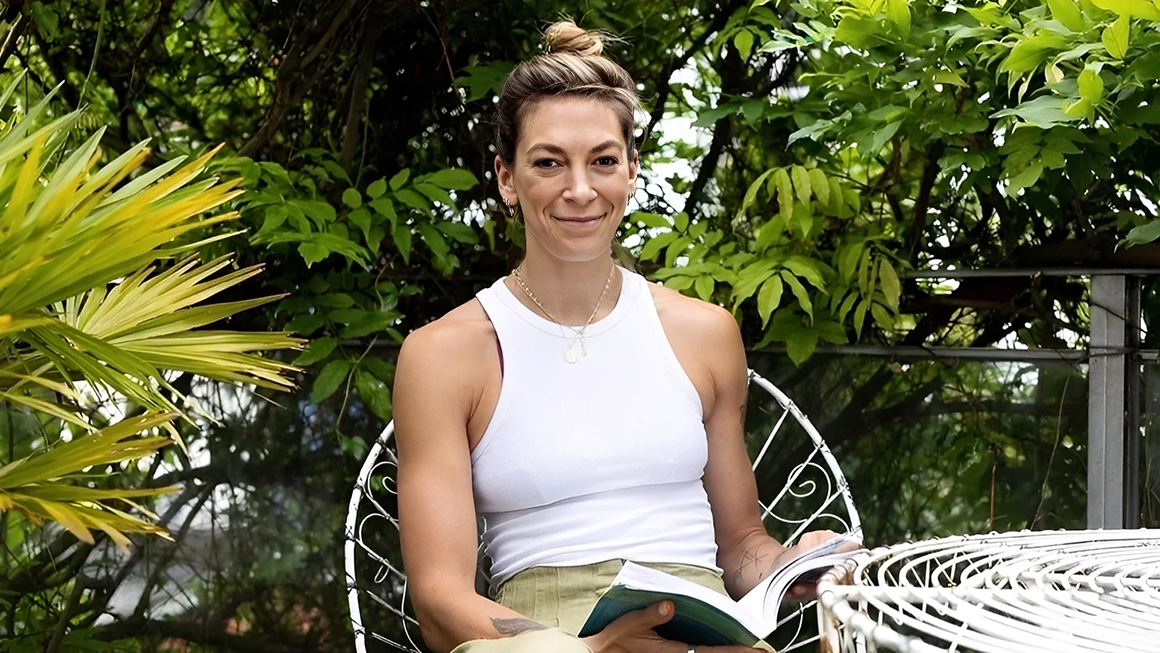
September talk: Chloe Maxwell
Chloe gave us a wonderful introduction to her coaching approach and how it is has the ability to support us as parents. The session was a very personal, often revealing and intimate time for the group and as such will not be recorded but we will hopefully invite Chloe to come back another time.
‘Every one of my clients that I have worked with in the last 12 years has reclaimed their power and transformed their lives by cultivating a new, individual blueprint to navigate life with. With a background in positive psychology, CBT, mindfulness, somatic awareness, emotional intelligence and resilience training, I offer tailored, evidence-based strategies to help you find your peace, build self-confidence, and succeed whether you are under pressure or in a moment of calm — because you don’t have to settle for just surviving; you’re worthy of so much more. My approach is direct, supportive, and results-focused — grounded in proven methods and real-world experience, giving you the tools to create meaningful and lasting change with confidence.’
Chloe asked us 3 specific questions to address:
How am I really? – in energy, mindset, physically
What do I need? – emotionally, financially, socially, creatively… What is holding you bac from accessing this support?
What am I struggling with? eg holding boundaries, regulating your nervous system, communicating your needs?
Please visit Chloe’s website, www.chloemaxwell.com, if you would like to learn more or arrange to work with her individually.
October Talk
on Wednesday 29th October at 6.30 Helena, gestalt therapist in London, will speak to us about her experience of Al Anon
‘When people ask me which qualifier (member of your family who is struggling with addiction) I’m in Al Anon for, I respond by saying Al Anon is not about another person, I’m in it for me? In Al Anon I get to see my behaviours of perfectionism, control and people pleasing tendencies?’
Helena has experienced several periods in her life where she went to Al Anon, all with different qualifiers and different expectations. She will tell us about her journey of how alcohol addictions were at the centre of her life to now it being very different. Not because of the actions and behaviours of others, but because of her own change of perspective and approach to others